Welcome to the first chapter of this journey!
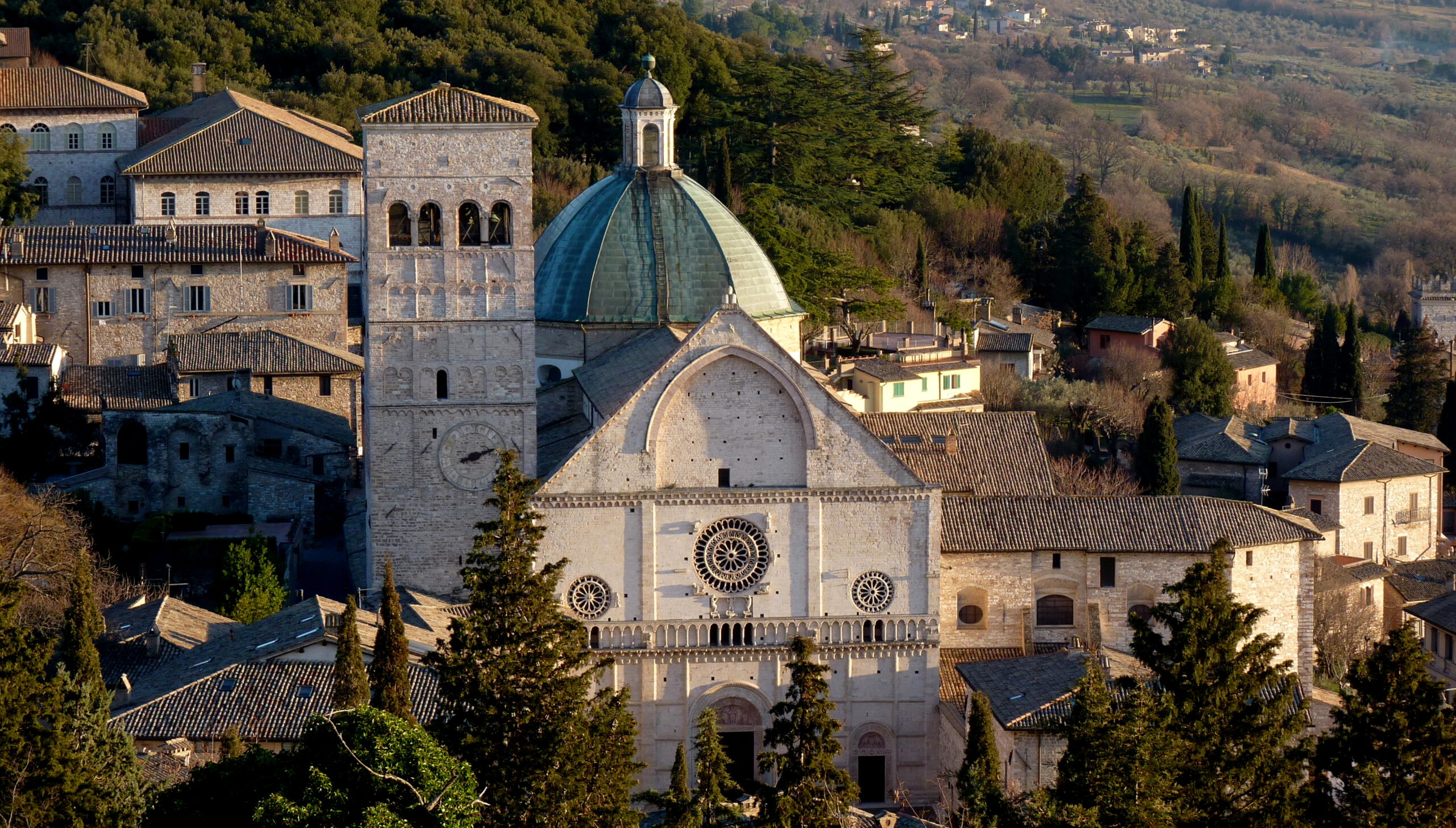
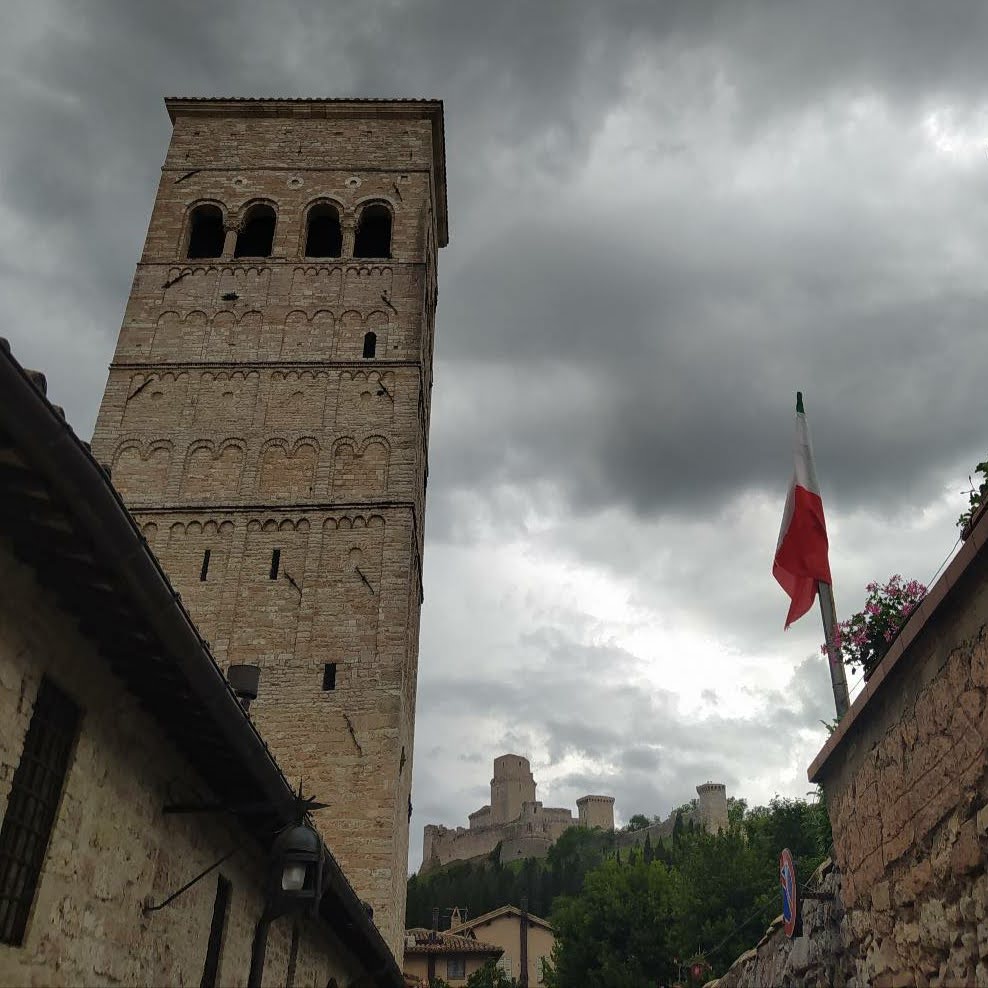
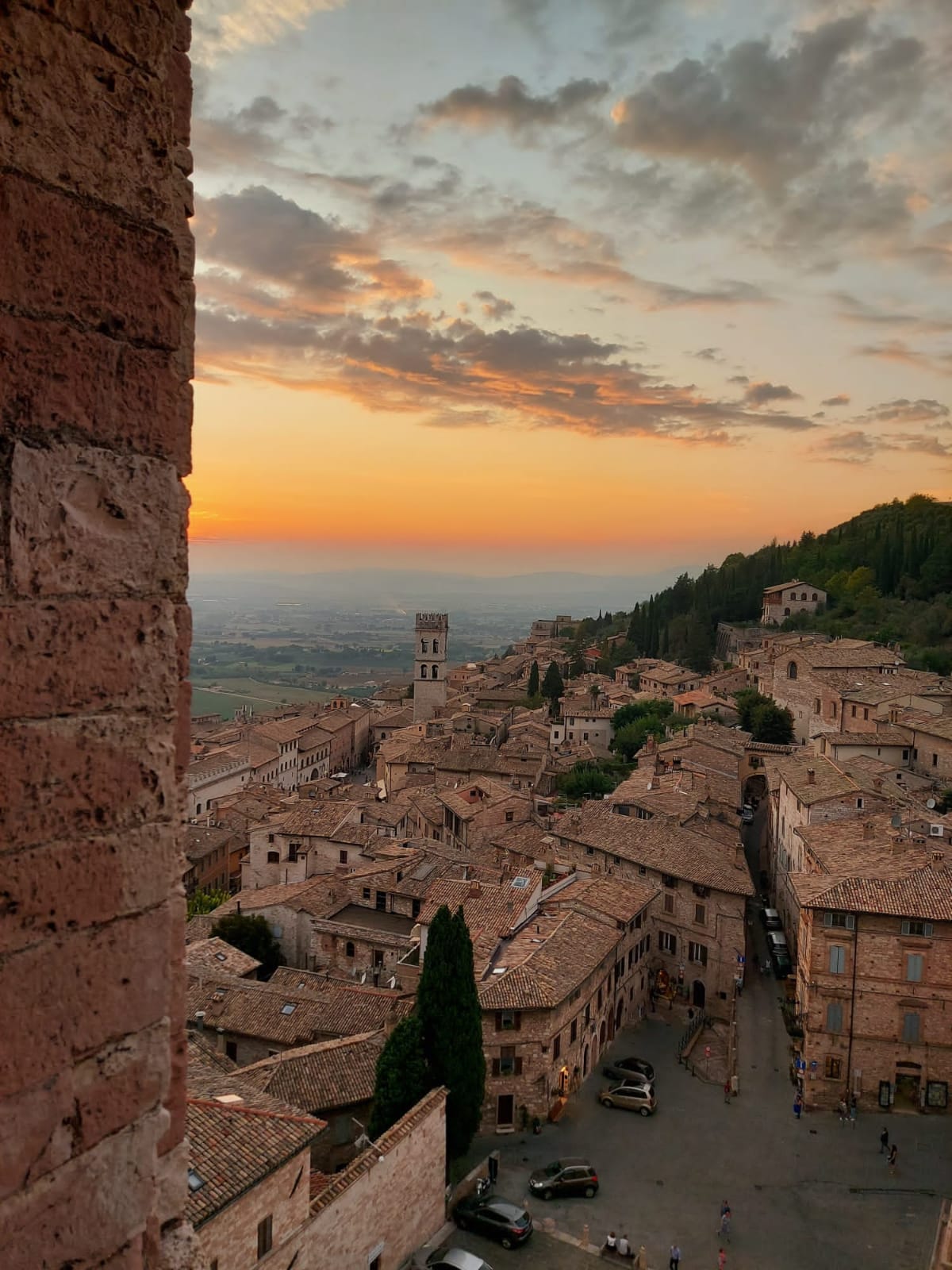
I had to start here, in Assisi, UNESCO World Heritage Site. It is located in Umbria, a region in the centre of Italy, known as the “green heart of Italy” because of its rolling green hills.
Assisi is famous as the birthplace of Saint Francis, the patron saint of Italy, and the year 2026 is a very special year, filled with history and spirituality, as it marks 800 years since his death. This year Assisi is more than just a tourist destination; it is a quiet calling that speaks to the soul.
The History of Assisi
Early History and the Romans
Humans have lived in the Assisi area since the New Stone Age. The city started as a small village built by the Umbri people between the 9th and 8th centuries BC.
In 295 BC, the Romans took control. They called the city Asisium. The name might mean “City of the Hawk” or come from a Latin word for “river,” referring to the nearby Assino River.
By 89 BC, it became an important economic and social center for the Roman Empire.
The Middle Ages and Saint Francis
After the Roman Empire fell, Assisi faced many invasions. In 545, it was looted by the Goths. Later, it was ruled by the Byzantines and then the Lombards.
In 1174, the German Emperor Frederick Barbarossa conquered the city. However, in 1198, the local people revolted and kicked out the imperial rulers to govern themselves. During this time, Assisi was often at war with the nearby city of Perugia.
The city’s most famous resident, Saint Francis, was born between 1181 and 1182. His life and work changed the history of Assisi forever.
Peace and Culture
Starting from the end of the first half of the thirteenth century, Assisi was the scene of bloody wars, internal struggles and continuous looting for centuries. The continuous invasions led to famines and epidemics that drastically reduced the population.
The rivalry between the Guelphs, supporters of the Pope, and the Ghibellines, supporters of the Empire, was felt more than ever in the city. Murders and reprisals between different families were the norm. Today it might seem like a paradox, but in the 14th century the city was even banned from religious sacraments by order of the Pope and a large part of its population was excommunicated.
The conquest of Umbria by Pope Paul III gave the city a period of peace and tranquility, putting an end to the struggles between the factions linked to the families of the Nepis (of the “Parte de Sopra” – Ghibellines) and the Fiumi (of the “Parte de Sotto” – Guelphs).
In the 1600s, culture and art flourished again with the opening of new schools. This progress was briefly stopped in 1799 when Napoleon’s French troops looted the city and stole many artworks. In 1860, Assisi voted to join the new Kingdom of Italy.
Modern Times and World War II
In the 1800s, the bodies of Saint Francis and Saint Clare were rediscovered: this made Assisi a major destination for religious travelers (pilgrims), which helped the local economy grow.
During World War II, Assisi played a brave role in saving people. A secret network helped hide Jewish refugees in basements and monasteries, often dressing them as monks or nuns to keep them safe. Because of these efforts and the help of a German colonel named Valentin Müller— who declared Assisi a “hospital zone”— no Jewish people were deported from the city.
Assisi Today
In 2000, Assisi and its famous religious sites, like the Basilica of Saint Francis, were named a UNESCO World Heritage site.
It has been a temple of holiness and spirituality since ancient times, to the point of deserving the nickname “City of Peace“.
Summary taken from the Wikipedia entry “Assisi” – License: CC BY-SA 4.0